
• Skip to main content
  • Skip to footer

Covion Solutions

Innovative Industrial Fluid Solutions

  • FluidIQ™
  • Managed Fluids
  • Industries
    • Data Centers
    • Hydraulic Elevators
    • Oil & Gas
    • Power Generation
    • Injection Molding
  • About
  • Resources
    • Brochures
    • Insights & Blog
    • White Papers
  • Start A Conversation

Insights - Hydraulic Elevators

Sep 15 2026

Hydraulic Elevator Reliability Starts with Fluid Health

Hydraulic elevators are critical to the safe, reliable movement of people throughout universities and healthcare facilities. When an elevator is unavailable, the impact extends well beyond inconvenience. An outage can disrupt building operations, create accessibility challenges, require emergency response, increase maintenance costs, and undermine passenger confidence.

For facility managers, elevator service providers, and maintenance teams, the objective is straightforward: keep elevators operating safely, consistently, and reliably.

Covion Solutions helps universities achieve their objectives by addressing an important but overlooked component of hydraulic elevator performance: Hydraulic fluid health.

Hydraulic elevators depend on clean, stable oil to operate properly. Yet fluid degradation develops gradually, then accelerates.  It’s largely invisible during routine elevator operation. Oxidation, moisture contamination, additive depletion, thermal stress, and varnish formation affect the condition of the oil and the components that depend on it.

Covion combines fluid expertise, monitoring technology, advanced analytics, and actionable fluid intelligence to help maintenance teams better understand what is happening inside their elevator systems and take proactive steps to protect equipment, passengers, and operations.

Elevator Reliability Is More Than an Equipment Issue

Elevator outages have significant consequences for the people and organizations that depend on them.

Across universities and other high-traffic facilities, recurring elevator outages and passenger entrapments have created accessibility problems, interrupted classes and work, required emergency response, and generated significant frustration among building occupants. The examples documented across the source articles demonstrate how quickly elevator reliability becomes an operational and reputational issue.

These incidents result from many causes. Aging controls, electrical problems, door systems, component failures, heavy usage, and other mechanical conditions can all contribute to downtime.

In a hydraulic elevator, however, fluid condition is one core reliability variable that can be measured, managed, and improved.

Instead of waiting for visible symptoms to indicate that something may be wrong, Covion helps maintenance teams gain greater insight into hydraulic oil condition so fluid-related risks can be identified and addressed earlier.

The Risk You Cannot See

Hydraulic fluid performs critical functions within an elevator system. When that fluid is healthy, it supports predictable hydraulic operation. When it  deteriorates, changes develop that affect system performance.

Sluggish valve response, inconsistent leveling, reduced ride quality, and unexpected downtime are indicators of conditions that deserve attention. By the time these symptoms become apparent, however, degradation is present within the fluid.

Traditional maintenance practices identify many mechanical problems, but periodic inspections provide only a view of conditions at a particular moment. Fluid degradation is a continuous ongoing process.

Covion brings a layer of intelligence to hydraulic elevator maintenance by making fluid condition visible. Rather than treating hydraulic oil simply as a consumable that is periodically changed, Covion approaches it as a critical reliability asset whose condition can provide valuable information about developing risk.

FluidIQ™ Provides Continuous Fluid Intelligence

FluidIQ™ is an important component of the Covion hydraulic elevator solution.

The technology provides continuous, real-time hydraulic oil health monitoring using advanced online sensing and AI-powered analytics. This gives maintenance and operations teams early visibility into developing fluid-related risks and provides actionable information that can support better maintenance decisions.

Instead of relying solely on symptoms or waiting for an elevator performance problem to become apparent, teams can understand how fluid condition is changing over time.

FluidIQ™ continuously tracks key indicators of hydraulic oil condition, including varnish potential, antioxidant remaining life, moisture contamination, and temperature stress. Covion provides a Fluid Health summary that gives teams an overall view of hydraulic oil condition.

The result is intelligence that helps maintenance teams recognize developing risks and plan corrective action before those conditions contribute to larger reliability problems.

Moving from Reactive Maintenance to Proactive Control

A conventional maintenance cycle often begins when someone notices a problem. An elevator levels inconsistently. Ride quality changes. A valve becomes sluggish. The elevator shuts down. A service call is made, technicians investigate the problem, and corrective action follows.

Covion helps shift part of that process upstream.

Continuous fluid monitoring gives teams an opportunity to recognize degradation before it progresses into more significant fluid-related performance problems. Varnish and additive interventions from Covion mitigate these conditions and ensure fluid quality never becomes a root cause of safety issues or reliability failures.

This is particularly valuable for organizations managing multiple elevators and facilities. Instead of treating every hydraulic system as if its oil were in the same condition, maintenance teams can make decisions based on what is actually happening within the fluid.

That visibility can support better planning, reduce unnecessary maintenance, extend useful fluid life, and help prevent fluid-related disruptions before they affect operations. These are among the primary benefits to Covion’s FluidIQ™ approach.

From Detection to Corrective Action

Information alone does not improve elevator reliability. Teams must act on what the information reveals.

That is why Covion’s value extends beyond simply collecting fluid data. FluidIQ™ converts developing fluid conditions into clearer, actionable insight so maintenance teams can determine when corrective action should be considered.

When monitoring identifies varnish potential, moisture contamination, antioxidant depletion, oxidation, or thermal stress, Covion’s varnish and additive services mitigate the problems before issues arise.

This creates a seamless approach to hydraulic elevator maintenance, one in which fluid condition becomes part of the overall safety and reliability strategy.

The objective is not to replace the elevator service provider or traditional preventive maintenance. It is to give those responsible for elevator performance another set of tools to eliminate fluid-related risk.
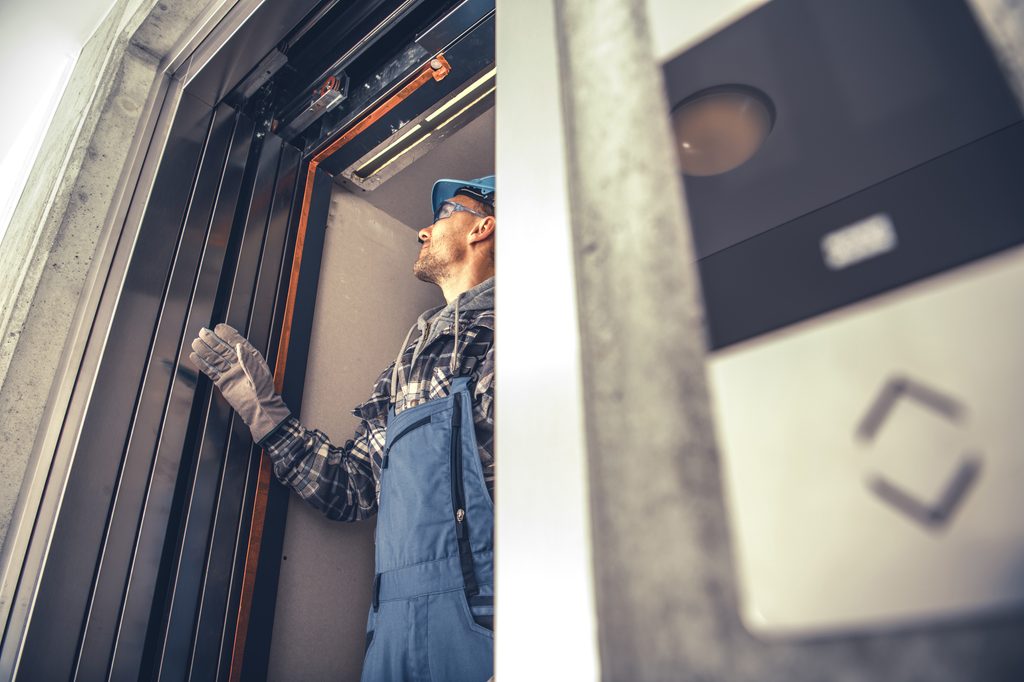
New Residential Building Elevator Installation. Final Checks Performed by Professional Elevator Systems Technician in His 40s.

Safety Begins with Fluid Health™

Passenger safety is ultimately one of the most important outcomes of elevator maintenance.

Reliable operation, consistent leveling, predictable valve response, and reduced downtime all contribute to an elevator system that passengers can use with greater confidence.

For organizations responsible for public buildings, campuses, residential properties, healthcare environments, and other facilities, reliability also supports accessibility. When an elevator represents the primary accessible route between floors, downtime can prevent people with limited mobility from reaching classrooms, workplaces, residences, services, or other essential areas.

Covion’s role within that larger responsibility is focused and measurable: help organizations better understand, control, and mitigate fluid-related risk in hydraulic elevator systems.

FluidIQ™ helps protect passengers, reduce risk, and give maintenance teams greater control over hydraulic elevator performance by identifying fluid degradation earlier and correcting the issues at an early stage.

Make Hydraulic Fluid Part of Your Reliability Strategy

Elevator reliability should not depend solely on responding quickly when something goes wrong. The better opportunity is to identify correctable risks before they become operational problems.

Covion Solutions brings fluid health into the hydraulic elevator reliability equation through continuous monitoring, advanced analytics, fluid expertise, and mitigation services.

With FluidIQ™, maintenance and operations teams can see conditions that were previously difficult to recognize, understand how hydraulic oil is changing, and trigger corrective action.

The outcome is a proactive approach to hydraulic elevator maintenance focused on what matters most: protecting passengers, reducing risk, improving reliability, and maintaining consistent elevator performance.

If safety and reliability are priorities for your hydraulic elevator systems, it is time to make fluid health visible.

Covion Solutions. Safety Begins with Fluid Health™.
Contact Us to Schedule a Discussion.

Start A Conversation

Written by Jon Prescott · Categorized: Insights - Hydraulic Elevators · Tagged: Asset Management, elevators, Fluid Health, hydraulic elevators, Lubrication, reliability

Aug 13 2026

Hydraulic Elevator Reliability

hydraulic elevator

Safer, Smoother Operation. Reliable Elevators with Remediated Oil.

Hydraulic elevator performance depends on the condition of the oil moving through the system. That oil does much more than transfer power. It protects pumps, lubricates components, supports valve performance, manages heat, and helps deliver the smooth, consistent operation passengers expect.

Over time, heat, oxidation, contamination, and additive depletion can change the chemistry of hydraulic oil. Varnish precursors form and deposit on critical components, contributing to sticking valves, inconsistent leveling, sluggish operation, odors, increased maintenance, and premature component wear.

Facility and elevator managers can rely on Covion Solutions to address these problems at their source by restoring hydraulic fluid condition, removing varnish and contamination, replenishing depleted additives, and providing ongoing visibility into oil health.

The result is a cleaner system, healthier oil, and a better foundation for reliable elevator operation.

Your Elevator Problem May Be a Oil Problem

When a hydraulic elevator begins operating inconsistently, attention naturally turns to mechanical components. Valves are adjusted or replaced. Pumps are inspected. Controls are evaluated. In rare cases, the hydraulic oil is simply drained and replaced.

But the condition of the oil itself can be an important part of the problem.

As hydraulic oil ages, oxidation byproducts begin accumulating. Additives designed to protect the oil and equipment become depleted. Varnish precursors remain dissolved in the fluid until operating conditions cause them to deposit on oil wetted surfaces, seals and sensitive components.

Deposits interfere with tight clearances in valves and other hydraulic components. Simply changing the oil may remove degraded fluid from the reservoir, but it does not remove varnish deposits and contamination already present throughout the system.

Effective remediation requires looking at the entire fluid system.

Restore the System.

Consider a different approach to hydraulic elevator maintenance.

Oil condition is at the root of the majority of reliability issues in oil wetted components and overall system performance. Covion Solutions uses specialized processes to address both the varnish contamination and additive life that affects the total system.

The objective is to remove harmful degradation products and varnish, clean the system, and restore the protective chemistry the hydraulic fluid needs to perform reliably long term.

Varnish mitigation technology helps move deposits and varnish precursors into solution and suspension where they can be removed through advanced filtration. As the fluid is cleaned, the contaminants and degradation products are solubilized and removed rather than remaining on critical surfaces.

Once the oil reaches the appropriate cleanliness and condition, Covion Solutions replenishes antioxidants and anti-wear components as appropriate to restore fluid life long-term and system performance.

Instead of replacing one problem with a reservoir of new oil circulating in a contaminated system, Covion Solutions addresses the fluid and system cleanliness together.

Why Varnish Matters in Hydraulic Elevators

Varnish does not need to create a dramatic failure to become expensive.

Small deposits on sensitive components affect how valves respond and how consistently an elevator operates. Over time, these deposits contribute to operational problems that result in leveling issues, repeated troubleshooting, service calls, component replacement, and passenger complaints.

The challenge is that varnish formation begins at the molecular level. By the time visible deposits or operating symptoms appear, fluid degradation has been occurring for months or years.

Managing varnish proactively means paying attention to oil condition before degradation progresses to the point where it affects equipment performance.

That is where fluid intelligence becomes especially valuable.

Wish You Could See Oil Degradation Before It Becomes an Elevator Problem?

Periodic oil analysis is rare in the elevator world, and even if done, provides only a snapshot of a single point in time.  Hydraulic systems operate continuously under changing loads, temperatures, environmental conditions, and duty cycles.

FluidIQ™ from Covion Solutions gives your team vastly more visibility and insight.

Covion Solutions’ next-generation fluid intelligence platform continuously monitors varnish, additives, and critical indicators of lubricant condition using advanced sensor technology, analytics, and AI models to identify changes associated with oil degradation.

Instead of waiting on a failure or operating problem to indicate something has changed, maintenance teams gain ongoing insight into the condition of the fluid protecting the elevator.

FluidIQ can help identify trends associated with varnish, additive depletion, moisture, and temperature, giving teams an opportunity to intervene proactively.

The goal is not simply more data. It is better information for making reliability decisions.

Move from Reactive Maintenance to Condition-Based Reliability

Hydraulic elevator maintenance has traditionally been driven by operating symptoms, scheduled maintenance, and component condition. Adding fluid intelligence creates another important layer of visibility.

When maintenance teams understand how hydraulic fluid is changing over time, they can make more informed decisions about filtration, remediation, and additive replenishment.

That can mean addressing degradation before deposits interfere with valve operation, and scheduling corrective work rather than responding after performance has deteriorated.

For facilities managing multiple hydraulic elevators, this approach also creates an opportunity to prioritize maintenance based on actual fluid condition rather than treating every unit the same.

Fluid becomes a measurable reliability asset rather than an unknown variable inside the system.

Extend Oil Life and Reduce Waste

Replacing thousands of gallons of hydraulic fluid creates costs beyond the purchase price of new fluid. Used oil must be removed, transported, and properly managed. Replacement oil must be purchased and delivered, and the elevator will experience additional downtime while the work is completed.

And, if contamination or varnish remains in the system, replacing the oil alone will not solve the underlying problem.

Remediation can provide a more responsible alternative.

By removing degradation products, mitigating varnish, filtering contaminants, and replenishing depleted additives, Covion Solutions can help extend the useful life of existing hydraulic oil while reducing the volume of fluid requiring disposal.

That creates both an economic and environmental advantage while supporting the larger objective: maintaining a cleaner, healthier hydraulic system.

A Better Approach to Hydraulic Elevator Performance

Hydraulic elevator reliability is not determined by one component. Pumps, valves, cylinders, seals, controls, and oil all work together as a system.

The oil connecting those components deserves the same attention as the hardware.

Covion Solutions combines fluid analysis, varnish mitigation, advanced filtration, oil remediation, additive replenishment, and continuous fluid intelligence to help organizations take a more proactive approach to hydraulic elevator maintenance.

Whether you are experiencing recurring performance issues, dealing with varnish or degraded oil, considering a costly oil replacement, or looking for a better way to manage a portfolio of hydraulic elevators, understanding the condition of your fluid is an important place to start.

Let’s Assess Your Fluid Conditions

A hydraulic elevator experiencing fluid-related problems needs the right diagnosis and the right corrective action.

Covion Solutions evaluates your hydraulic fluid, identifies degradation and varnish risks, and develops a strategy to clean and restore your systems. With FluidIQ™ and our long-term fluid management, we can also help you move beyond one-time corrective action toward continuous fluid intelligence and proactive maintenance.

Protect the system. Extend oil life. Improve elevator reliability, safety, and passenger experience.

Contact Covion Solutions today to schedule a hydraulic elevator fluid assessment and find out what is happening inside your system before it becomes your next maintenance problem.

Contact Us to Schedule a Discussion.

Start A Conversation

Written by Jon Prescott · Categorized: Insights - Hydraulic Elevators · Tagged: Fluid Management, hydraulic elevators, hydraulic fluid, oil maintenance, valves, varnish

Footer

Industries
Data Centers
Injection Molding
Power Generation
Oil & Gas
Managed Fluids

About

Start A Conversation

  • LinkedIn
  • X
  • YouTube

Copyright © 2026 Covion · Site Designed by Pixel Dust, LLC · Log in