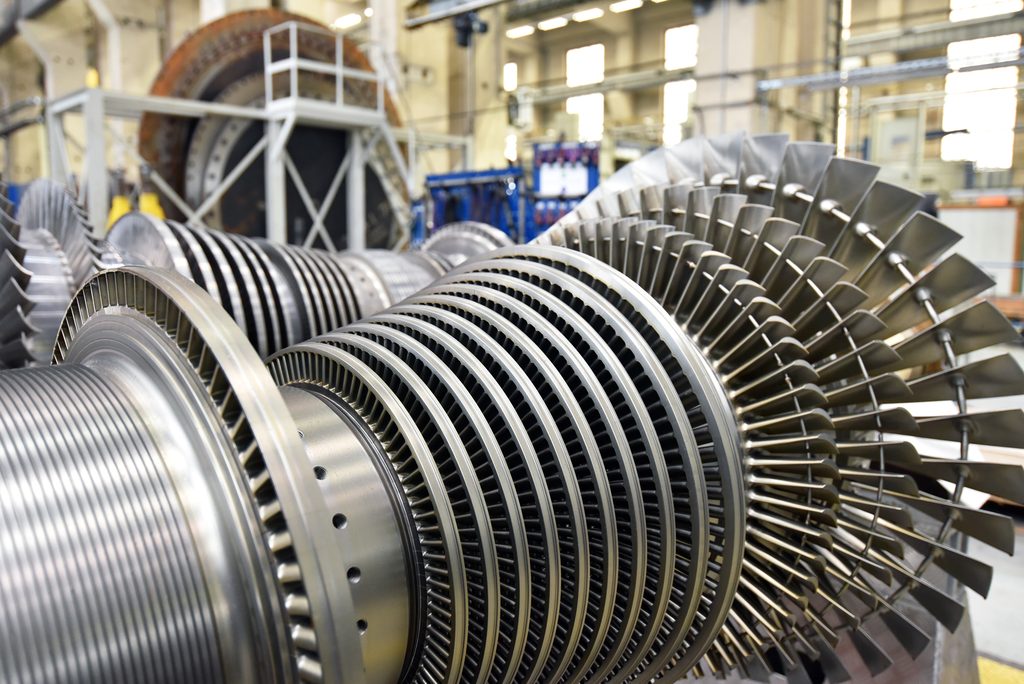
New Power Production Required to Support Growing Data Center Operations
The rapid expansion of artificial intelligence is changing more than the size and number of data centers being built across the United States. It is changing what it means to operate one.
Under the Trump administration’s Ratepayer Protection Pledge, leading hyperscalers and AI companies are committed to building, or buying the new electricity generation required to support their growing data center operations. The initiative is designed to prevent the enormous power demands of AI infrastructure from being passed along to residential and commercial ratepayers.
For data center operators, however, there is another implication that deserves attention.
Building or acquiring power generation capacity is one thing. Maintaining it reliably is another.
Data Center Expertise Is Not Turbine Expertise
Data center operators understand uptime. Redundancy, cooling, network availability, cybersecurity, backup systems, and continuous operation are fundamental to the industry.
Power generation introduces a different set of assets, failure modes, maintenance requirements, and specialized expertise.
When a facility adds natural gas turbines and other generation, it is effectively adding a power plant to the data center infrastructure. The organization now has responsibility for large rotating equipment operating under demanding thermal and mechanical conditions. Turbine bearings, hydraulic control systems, servo valves, pumps, lubrication systems, filters, and oil all become part of the reliability equation.
That creates an important knowledge gap.
A company can be exceptionally good at running a data center without having decades of institutional experience maintaining power generation turbines. Yet the reliability of those turbines may ultimately determine the success of the data center.
The Lubricant Becomes a Critical Asset
Turbine oil is easy to underestimate because it is often viewed simply as a consumable. In reality, the fluid is a critical component of the turbine system and either a key reliability asset or its worst enemy.
Heat, oxidation, contamination, additive depletion, and extended service will gradually change lubricant chemistry. One of the key concerns is varnish, which forms deposits on sensitive components including servo valves, bearings, seals, and control accuators.
The challenge is that lubricant degradation does not usually announce itself with an immediate equipment failure.
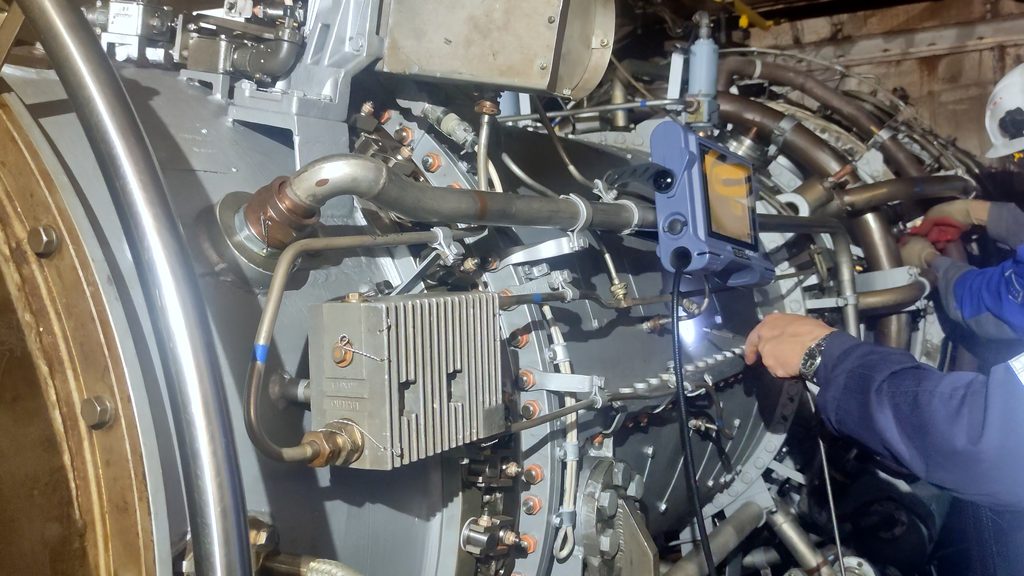
Changes develop gradually while the turbine continues operating, and then accelerate catastrophically. By the time sticking valves, elevated temperatures, filter problems, control instability, or other symptoms appear, fluid degradation has already affected system performance.
For a conventional generating facility with an experienced turbine maintenance organization, these risks are familiar territory. For a data center operator entering power generation for the first time, they may not be.
Owning Generation Changes the Reliability Equation
The Ratepayer Protection Pledge reflects a broader shift toward data center operators taking greater responsibility for the generation infrastructure supporting their facilities. In July 2026, the White House announced that the initiative had expanded to include more than 200 additional utilities, developers, cooperatives, and states. The administration also highlighted a 900-megawatt data center campus in Texas powered entirely by on-site natural gas generation and battery storage as one example of the model taking shape.
As that model expands, data centers will need to think beyond acquiring megawatts.
They will need strategies for maintaining the assets producing those megawatts.
That means understanding turbine lubricant condition, contamination, oxidation, additive health, and varnish potential. It also means recognizing that traditional periodic oil sampling provides only a snapshot of fluid condition at a particular moment.
For facilities where power availability is inseparable from computing availability, waiting for a problem to become obvious can be an expensive reliability strategy.
Closing the Knowledge Gap with Fluid Intelligence
Covion Solutions can help bridge the gap between data center operations and power generation reliability.
Covion brings specialized expertise in turbine fluid health, varnish mitigation, oil remediation, filtration, and ongoing fluid management. Rather than expecting data center personnel to become turbine lubrication specialists overnight, Covion provides the expertise and services required to manage fluid-related reliability risks proactively.
Solutions such as FluidIQ™ add another layer of protection by providing continuous visibility into lubricant condition. Instead of relying exclusively on periodic laboratory snapshots, maintenance teams can gain ongoing insight into changes occurring within the fluid and identify developing conditions earlier.
When problems are identified, fluid remediation and varnish mitigation address conditions without downtime or oil replacement.
From Data Center Operator to Power Producer
The AI infrastructure boom is bringing two highly specialized worlds together.
Data center companies know computing infrastructure. Power generation professionals know turbines. As more data centers secure or operate their own generation, those disciplines must become part of the same reliability strategy.
The power plant cannot simply be infrastructure sitting beside the data center. It is becoming part of the data center.
And, if the turbine is critical to maintaining uptime, the fluid at the heart of that turbine deserves the same attention as every other mission-critical system.
Covion Solutions helps data center operators close the turbine reliability gap with fluid monitoring, varnish mitigation, refortification, and our long-term Fluids as a Service (FaaS) solutions designed to keep critical power generation assets operating reliably.
As data centers take greater responsibility for producing their own power, Covion helps ensure they are equally prepared to protect it.
At Covion Solutions, we don’t just monitor fluids. We prevent fluid-related failures.
Let’s start a conversation about protecting your critical power generation assets so you can run your data centers reliably.